Cuban Bakery Aurora CO: Enjoy Every Bite of Tradition
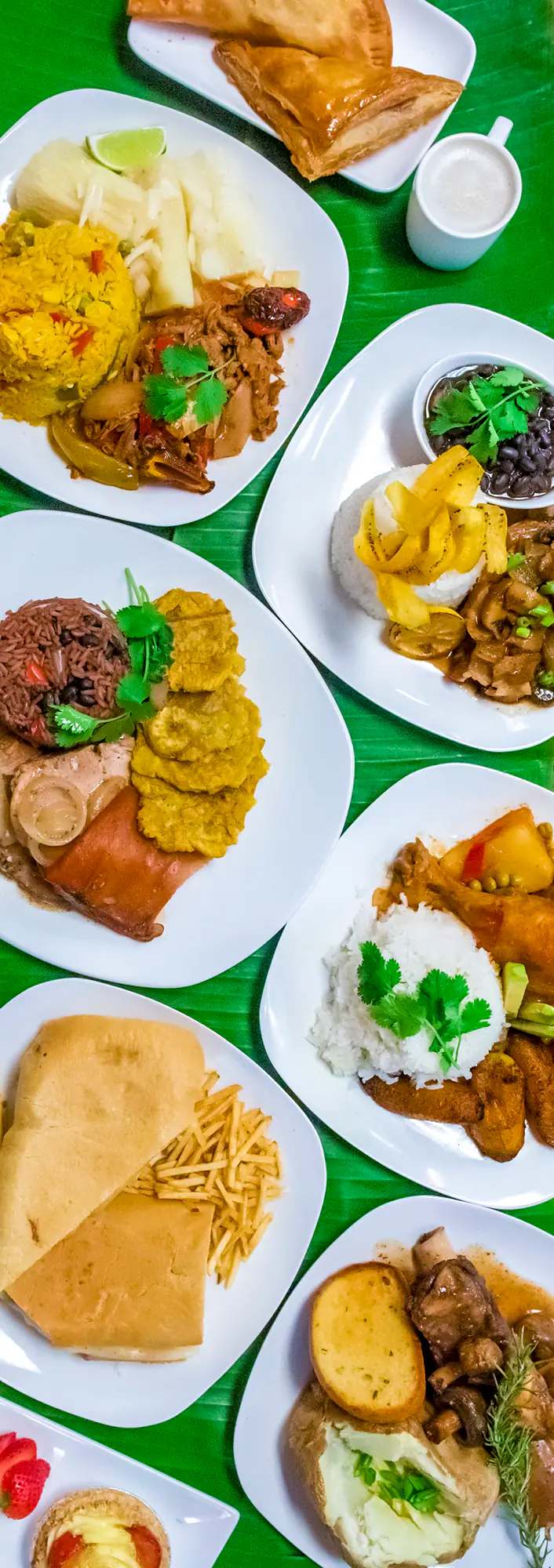
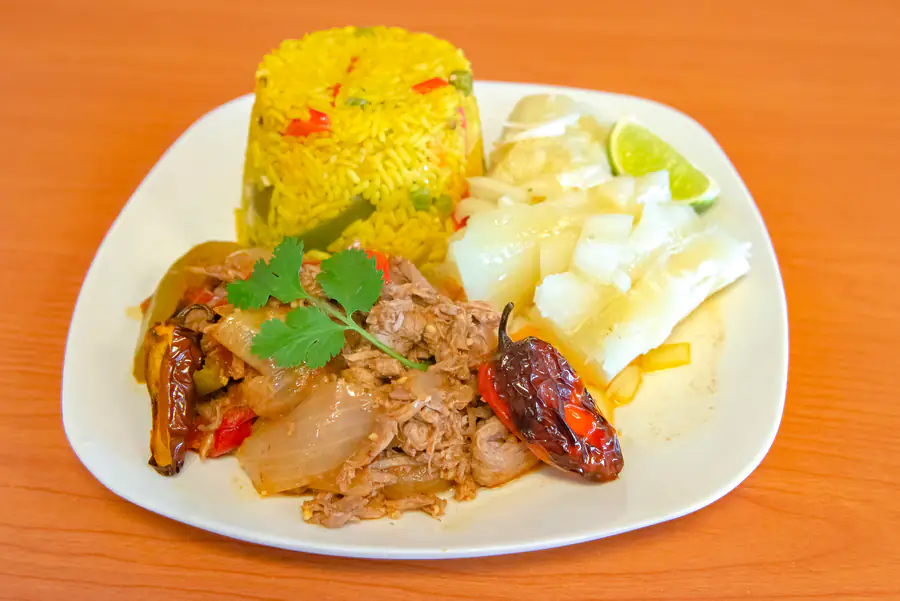
A great Cuban bakery does more than sell pastries. It carries memory, routine, and a very specific kind of hospitality. You smell it before you fully step inside, butter browning in laminated dough, guava warming in the oven, strong coffee pulling through espresso machines that have been working since early morning. The glass cases glint with rows of pastelitos, croquetas, cakes, and bread, but the real appeal is harder to describe. It is the feeling that each tray belongs to a long conversation between history and appetite.
For anyone searching for a Cuban bakery Aurora CO residents can return to again and again, that feeling matters. Aurora has the kind of food scene where family-run spots can still build loyal followings through consistency rather than flash. In a city shaped by many cultures, a Cuban bakery earns its place not by novelty alone, but by delivering food that tastes rooted. The best ones understand that tradition is not a museum piece. It is a living standard. People come in for breakfast, for birthday cakes, for a midafternoon coffee, for a box of pastries to bring to work, and they expect each item to taste as if someone cared about it from the first batch to the last.
That expectation is what makes Cuban baking special. It looks simple from the outside, yet there is discipline behind every flaky crust, every clean layer of filling, every loaf with the right chew. Good Cuban bakery work is precise without feeling precious. It is food meant to be enjoyed, carried home, shared at a table, eaten in a parked car, or paired with quick conversation before the day gets busy.
What makes a Cuban bakery feel authentic
Authenticity in food is often treated too loosely. It is not just a matter of hanging a flag on the wall or translating a menu into Spanish. In a Cuban bakery, authenticity starts with balance. Sweet pastries should be rich but not cloying. Savory items should be seasoned enough to wake up the palate without burying the rest of the ingredients. Coffee should arrive bold and fragrant, not watery, not timid.
Texture is where experienced bakers separate themselves. A pastelito should break with a light crackle when you bite in, showering a few flakes onto the plate. Cuban bread should have a thin, crisp exterior and a soft interior that compresses slightly under your hand, then springs back. Croquetas should offer resistance first, then give way to a creamy center. None of that happens by accident. It comes from managing dough temperature, proofing time, humidity, oven behavior, and filling moisture. These are small decisions, but they add up to the difference between a bakery people mention politely and one they crave.
There is also the matter of rhythm. Cuban bakeries often have a pulse that changes through the day. Early hours favor toast, café con leche, and bread. Midmorning brings pastry orders and stronger traffic at the display case. Lunch leans toward sandwiches, savory snacks, and another round of coffee. By afternoon, people drift in for something sweet to carry them through the last few hours of work. If a bakery understands that rhythm, the place feels alive rather than staged.
The pastries that define the experience
If you have never stepped into a Cuban bakery before, the pastry case https://penzu.com/p/d827a5bcfd14219d can be deceptively modest. The shapes are neat, often familiar at a glance, yet each item has its own identity. The classic starting point is the pastelito de guayaba. At its best, it combines flaky pastry with guava paste that softens into a dense, fruity center. Sometimes you find it paired with cream cheese, a combination that works because the guava brings brightness and the cheese lends tang and weight.
That pairing is a lesson in why Cuban pastry endures. It respects contrast. Sweet meets salty. Crisp meets soft. Richness gets checked by acidity. A good baker understands that guava cannot be allowed to flood the pastry or turn syrupy. Too much filling and the structure collapses. Too little and it tastes dry. The best versions land in the middle, generous but controlled.
Then there are meat-filled pastries, often overlooked by first-time visitors who assume bakeries are mainly about sugar. A seasoned ground beef filling, cooked with onions and spices, can turn a small pastry into a practical meal. It should taste savory first, not greasy. When done properly, the juices stay inside the pastry rather than soaking through it.
Croquetas deserve their own respect. They are easy to dismiss because they look humble, but in skilled hands they become one of the most satisfying items in the case. Ham croquetas, in particular, depend on consistency. The filling must be smooth enough to feel creamy, yet firm enough to hold shape after frying. The coating should be crisp and light, never thick or coarse. A tray of fresh croquetas beside a cup of coffee is enough to explain why regulars keep returning.
And then there is cake. Cuban bakery cakes occupy a category of their own. They are often airy, layered, and finished with a frosting that feels celebratory without becoming heavy. Some feature tropical fruit, some lean toward vanilla and custard, and some include fillings that turn an ordinary birthday into a family event people talk about for weeks. The best bakery cakes do not hide behind decoration. They taste as good on the fork as they look in the box.
Coffee is not an afterthought
It is impossible to talk seriously about a Cuban bakery without talking about coffee. In many places, bakery coffee is just there to complete the sale. In a Cuban setting, coffee is part of the bakery’s identity. It provides the punctuation marks throughout the day. A small cup of strong espresso can reset your energy in minutes. A café con leche softens that intensity with steamed milk and turns it into a breakfast ritual.
There is a practical reason coffee matters so much. Cuban pastries, especially the sweet ones, need contrast. Coffee cuts through sugar and butter, keeps the palate awake, and makes a quick stop feel complete. It is also social. People do not just grab coffee and disappear. They pause. They talk. They ask what came out fresh. They pick up an extra pastry because someone at home would want one too.
In Aurora, where busy schedules often dominate weekdays, that kind of pause has value. A dependable Cuban bakery offers more than food. It offers a reset point. You step in, order something familiar, and for ten or fifteen minutes the day feels less scattered.
Why bread matters more than most people realize
Bread is usually the quiet benchmark in any bakery. Fancy pastries can attract attention, but bread reveals discipline. Cuban bread in particular asks for restraint and timing. It should not be dense, and it should not feel like a generic supermarket loaf pretending to be traditional. The crust needs just enough crackle to create contrast, while the inside remains tender and slightly chewy.
When people think about Cuban bread, they often think immediately of sandwiches, and for good reason. A proper Cuban sandwich depends on the bread almost as much as the fillings. Press it too hard and the loaf shatters. Use bread that is too soft and the sandwich turns flat and soggy. The right loaf stands up to heat, mustard, ham, roast pork, Swiss cheese, and pickles without losing its shape. It compresses, toasts, and still feels light in the hand.
If you are evaluating a Cuban bakery in Aurora, pay attention to the bread even if you came in for pastries. It tells you a lot about what happens in the back of the house. Good bread means the bakery respects fundamentals. That usually carries over to everything else in the case.
The role of family and routine
Many of the strongest bakeries run on habit, and habit can be a beautiful thing. The same people arrive at the same hour. A baker starts dough before sunrise. Someone else fills pastries in a practiced rhythm, turning trays quickly enough to keep pace with demand. Front counter staff learn what regulars order before they ask. Those details may sound ordinary, but they create trust.
In my experience, the most memorable bakeries are rarely the loudest or trendiest. They are the ones where the food remains stable from visit to visit. Stability in baking is not boring. It is difficult. Flour changes with the season. Ovens run hot and cool at different points in the day. A filling that tasted perfect in winter may need adjustment in summer. Keeping quality consistent under those conditions takes experience.
That is part of the appeal when people search for a Cuban bakery Aurora CO can be proud of. They are not usually looking for spectacle. They want a place that gets the details right, where a box of pastries feels like money well spent and a cake order does not create anxiety.
How to order if you are visiting for the first time
A first visit can feel overwhelming, especially if the bakery case is full and the line behind you is moving. The easiest approach is to think in contrasts rather than categories. Order one sweet item, one savory item, and a coffee. That combination gives you a clear sense of the bakery’s range without overcomplicating the decision.
If I were guiding someone through a first stop, I would steer them toward these choices:
- A guava pastry, because it captures one of the classic sweet profiles.
- A croqueta or savory pastry, because it shows how the kitchen handles seasoning and texture.
- A café con leche or espresso, because coffee is central to the experience.
- A loaf of bread, if available fresh, because it reveals the bakery’s technical standard.
- A slice of cake, if celebration is part of the visit, because Cuban cake can be excellent when made with care.
That order covers the essentials without trying to sample the entire store in one trip. It also helps you notice what stands out. Some bakeries shine brightest in pastry. Others build their reputation on bread or cakes. The first visit should help you find the specialties worth returning for.
What separates a solid bakery from a truly memorable one
A competent bakery can make food that is pleasant enough. A memorable bakery does something harder. It makes food with personality while staying consistent. You notice this in small ways.
The pastry case is replenished with intention rather than left to fade. Sweet items taste fresh instead of tired. Savory fillings are seasoned fully but carefully. Frosting is spread cleanly. Bread is not overbaked just to fake a crust. Even the paper box matters. If pastries are packed too tightly, delicate layers crush before they reach home. Good bakeries know that the customer experience does not end at the register.
Service also plays a larger role than many owners admit. The best bakery counters move quickly without rushing people into bad choices. Someone should be able to ask what is most popular, what came out recently, or what works best for a gathering. Warmth matters. Precision matters too. A family ordering a custom cake needs confidence that details were heard and understood.
There is also value in restraint. Not every bakery needs a giant menu. In fact, very large menus often signal compromise. A focused selection usually indicates clearer priorities and better execution. I would rather see fewer items made well than a long list of average ones.
Cuban bakery culture fits Aurora well
Aurora is a city where practical food often wins. People want meals and treats with substance, not just presentation. A Cuban bakery fits naturally into that landscape because it serves real everyday needs. Breakfast on the way to work. Bread for dinner at home. Pastries for a family get-together. Coffee for a midmorning break. Cake for a birthday. The food is celebratory when it needs to be, but it is also functional in the best sense.
That balance is one reason Cuban bakeries develop loyal customers across backgrounds. You do not need personal familiarity with Cuban food to enjoy one. The flavors are generous, direct, and welcoming. Guava is easy to love. Good bread needs no explanation. Savory pastries make sense the moment you taste them. Strong coffee is universal.
At the same time, the bakery preserves cultural identity in a very practical form. Traditions survive best when people use them. A pastry eaten with morning coffee does more to keep a food culture alive than any framed description on the wall. In that sense, every busy Cuban bakery serves as a small anchor for memory and continuity.
Ordering for gatherings and special occasions
One of the smartest ways to understand a bakery is to use it for a group. Individual purchases show quality, but larger orders reveal organization. Can the bakery produce enough pastries for an office breakfast without sacrificing freshness? Can it handle a birthday cake with specific timing? Does the bread order come ready when promised?
For gatherings, variety usually works better than volume of one item. A mixed pastry box lets guests discover preferences, and it prevents the problem of ordering two dozen of something that only a few people want. Savory and sweet together is almost always the right call. People who skip dessert often reach for croquetas. People who claim they are not hungry will still find room for a flaky guava pastry if it is sitting nearby.
Cake orders deserve a little extra planning. Cuban-style cakes can vary in sweetness and filling style, so it helps to ask how the bakery approaches them. If you need something for a large crowd, texture matters as much as flavor. Cakes that slice cleanly and hold structure travel better and serve more neatly. Those practical details are not glamorous, but they matter once a party actually starts.
The small signals worth noticing
If you care about bakery quality, there are subtle signs that tell you a lot before you even taste the food. The display case should look tended, not chaotic. Pastries should keep their shape. Bread should not feel stale by midday. Staff should know what is fresh and answer without guessing. Coffee should smell lively, not burnt.
Listen to the room too. Regular customers often reveal more than any review. When people walk in and order confidently, you know the bakery has earned habits. When they greet the staff by name, or ask if a favorite item is still available, that tells you the place has become part of their routine. Food businesses spend years trying to create that kind of loyalty. Bakeries do it one reliable morning at a time.
Every bite carries more than flavor
At its best, a Cuban bakery offers something increasingly rare, food made with enough care that it still feels personal even when the counter is busy. You can taste labor in laminated dough, judgment in balanced fillings, and patience in bread that was given time to develop properly. That kind of quality does not need elaborate explanation. One bite is usually enough.
For anyone exploring the idea of a Cuban bakery Aurora CO locals trust, the right choice will be the one that respects the old standards while serving the present moment well. You want pastries that are flaky and vivid, coffee that is strong, bread that is honest, cakes that actually deserve celebration, and service that makes you want to come back. Those are simple demands on paper. Meeting them day after day is the craft.
When a bakery does meet them, the experience lingers. A warm pastry eaten at the counter can brighten a rushed morning. A loaf of bread can improve dinner without trying too hard. A box of sweets can turn an ordinary visit into a shared pleasure at home. Tradition survives exactly this way, not as nostalgia alone, but as something you can taste, carry, and return to whenever you need it.
Cuba Bakery & Café
15028 E Mississippi Ave, Aurora, CO 80012
+1 303-752-2822
FAQ About Cuban bakery Aurora CO
What are Cuban pastries called?
Many small Cuban pastries are called pastelitos. They can have sweet or savory fillings, such as guava, cheese, guava and cheese, or seasoned meat. Cuba Bakery & Café lists guava, cheese, guava-and-cheese and beef pastries on its menu. Ask the bakery about current availability and ingredients when ordering.
What are traditional Cuban pastries?
Common Cuban bakery choices include flaky pastelitos filled with guava, cheese or meat. Cuban bakeries may also offer empanadas, breads and desserts alongside coffee. Cuba Bakery & Café lists pastelitos, several empanada fillings, pan Cubano and desserts such as tres leches and bread pudding. Selection can vary, so confirm the day's choices with the bakery.
What makes Cuban bread different?
Cuban bread is known for its light interior and a thin crust that becomes crisp when toasted or pressed. Traditional recipes often use lard, although ingredients vary by baker. It is commonly served as buttered toast or used for Cuban sandwiches. Cuba Bakery & Café lists pan Cubano and tostada on its menu; ask staff about the ingredients in their bread if you have dietary restrictions.